


Clinically-Proven Weight Gain Formula with Natural Ayurvedic Ingredients
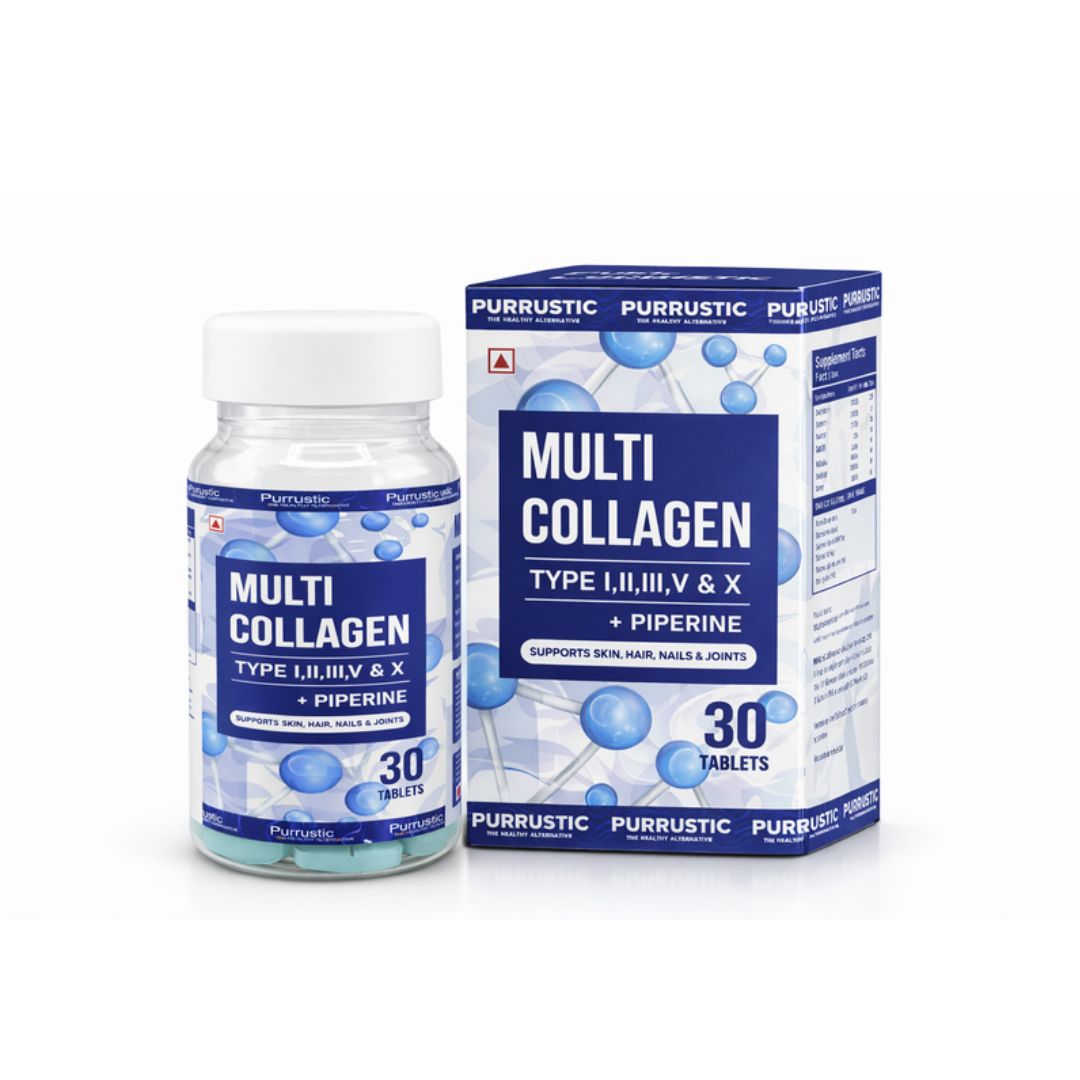
Multi Collagen Supplement | 5 Types of Marine Collagen For Skin & Hair | Skin Supplements For Glowing Skin - 30 Tablets
- Regular price
-
Rs. 699.00 - Regular price
-
Rs. 1,499.00 - Sale price
-
Rs. 699.00
Couldn't load pickup availability
FREE GIFT ON PREPAID ORDER!
Advanced Multi-Collagen Complex - Supports skin elasticity, joint flexibility, and hair vitality with clinically-studied collagen peptides
Supports Skin Elasticity & Radiance - Advanced collagen peptides promote youthful, glowing skin from within
Rich in Natural Herbs & Minerals - Supports muscle development and healthy body composition
Strengthens Hair & Nails – Provides essential amino acids to reduce breakage and support healthy hair and nail growth
Complete Nutritional Support - Promotes overall wellness and vitality with every dose





Collagen FAQs
What are the benefits of collagen supplements?
Collagen supplements offer numerous benefits for your skin, joints, and overall wellness. Skin health is enhanced through improved elasticity, hydration, and reduced appearance of fine lines and wrinkles. For joint and bone support, collagen helps maintain cartilage integrity and supports mobility. Additionally, collagen promotes hair and nail strength, supports gut health through the amino acid glycine, and may improve muscle recovery after exercise. Regular collagen supplementation can help maintain youthful skin texture and support your body's structural integrity as you age.
What types of collagen are available and which should I choose?
There are several types of collagen, each with specific benefits: Type I collagen is best for skin, hair, and nails—it's the most abundant in the body. Type II collagen supports joint cartilage and is ideal for joint health. Type III collagen works synergistically with Type I for skin elasticity and supports connective tissues. Multi-type collagen blends combine several types for comprehensive benefits. For general skin and beauty benefits, Type I is most popular. For joint support, Type II is recommended. Many people benefit from a blend that includes Types I, II, and III for comprehensive whole-body support.
How long does it take to see visible results from collagen supplements?
Most users begin noticing improvements in skin hydration and texture within 2–4 weeks of consistent use. More visible results like improved skin elasticity and reduced fine lines typically appear after 8–12 weeks of daily supplementation. For joint and mobility benefits, results may take 4–8 weeks to become noticeable. Hair and nail strength improvements usually develop over 3–6 months. Results vary based on individual factors including age, diet quality, hydration levels, and overall health. Consistency is key—daily use produces the best outcomes.
How should I take collagen supplements for best results?
For optimal absorption and effectiveness, take 10–20 grams of collagen daily, preferably in the morning or with breakfast. Collagen can be mixed into hot or cold beverages, smoothies, coffee, or taken as capsules depending on the product form. Consistency matters more than timing—taking it daily is more important than the specific time of day. For enhanced absorption, pair collagen with vitamin C-rich foods (citrus, berries) as vitamin C is essential for collagen synthesis. Stay well-hydrated throughout the day, as water supports collagen distribution in your body. Most people see best results when combining supplementation with a balanced diet rich in protein and antioxidants.
Are there any side effects or contraindications with collagen?
Collagen supplements are generally safe and well-tolerated by most people. Some individuals may experience mild side effects including digestive discomfort, bloating, or a slight aftertaste, which typically subside within a few days. Those with fish or shellfish allergies should avoid marine collagen sources. If you are pregnant, breastfeeding, or taking medications, consult your healthcare provider before starting collagen supplements. People with kidney disease should seek medical advice before use. Collagen is derived from animal sources (bovine, marine, or poultry), so it's not suitable for vegans or vegetarians. Always choose high-quality, third-party tested products from reputable manufacturers.
Can I use collagen if I have a sensitive stomach or digestive issues?
Yes, collagen is generally gentle on the digestive system and may even support gut health. If you have a sensitive stomach, start with a lower dose of 5–10 grams daily and gradually increase to the recommended 10–20 grams over 1–2 weeks. Hydrolyzed collagen (collagen peptides) is easier to digest than whole collagen and is ideal for sensitive stomachs. Taking collagen with meals rather than on an empty stomach can minimize discomfort. Ensure you're drinking plenty of water, as adequate hydration supports digestion. If you continue to experience issues, try a different collagen source (marine vs. bovine) or consult your healthcare provider. Many people with digestive sensitivities find that collagen actually improves their gut health over time.